
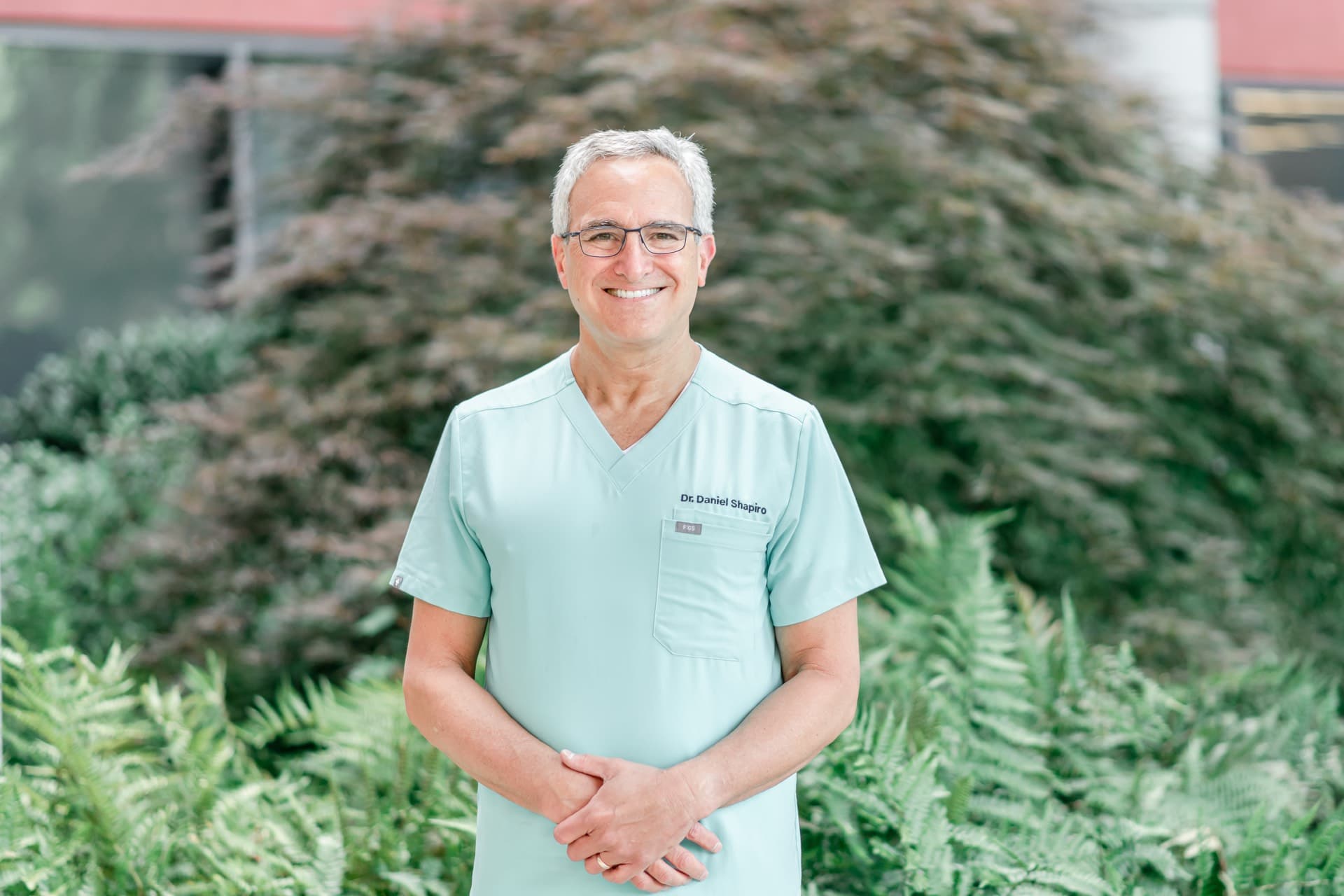
Forty years ago, as a medical student, I became a sperm donor. The landscape looked very different then. There was little oversight, no FDA testing requirements, no quarantine protocols, and no counseling about what this might mean down the road—for me, for the families, or for any children born from my donations.
I'll be honest: I needed the money. I didn't think much about the long-term implications. It never occurred to me that in an era before online genetic platforms, I might one day be found by my donor-conceived offspring.
What I've Learned as Both a Doctor and a Donor
Almost 20 years ago, I helped launch the nation's first frozen donor egg bank based on vitrification technology. Working with the pioneering team at Reproductive Biology Associates under Drs. Peter Nagy and Jeremy Chang, we developed systems that are now used by major egg banks across the country. That experience taught me something crucial: donor programs aren't just medical transactions—they need to protect the integrity and dignity of everyone involved.
Over the years, I've treated hundreds of patients using donor eggs and sperm. I've counseled families about disclosure. And then something unexpected happened: I was contacted by one of my own donor-conceived offspring.
We're friends now. Meeting him taught me more about genetics, identity, and human connection than all my years in medicine. Despite growing up in different eras, with different religions and different families, we discovered remarkable similarities—not just in appearance, but in our worldview, mannerisms, and even the way we think. We're both firmly on "Team Nature" now.
MySpermBank: A New Approach
Inception Fertility is launching MySpermBank, built in part on the MyEggBank model. It will offer unique options for families who want open donation or a donor designated exclusively for their use. While my personal experience with disclosure didn't inform the design of MySpermBank, the programs we've created acknowledge a fundamental reality: donor-conceived people have a right to know their full origin story, and donors may benefit from learning how their donor-conceived offspring grow into adulthood.